AI in the real world: two new OpenAI guides worth a read

OpenAI recently released two practical guides for organisations using (or thinking about using) AI: one on identifying and scaling use cases, and another on getting AI into enterprise settings. They're both full of real-world lessons, and some of the advice really resonated.
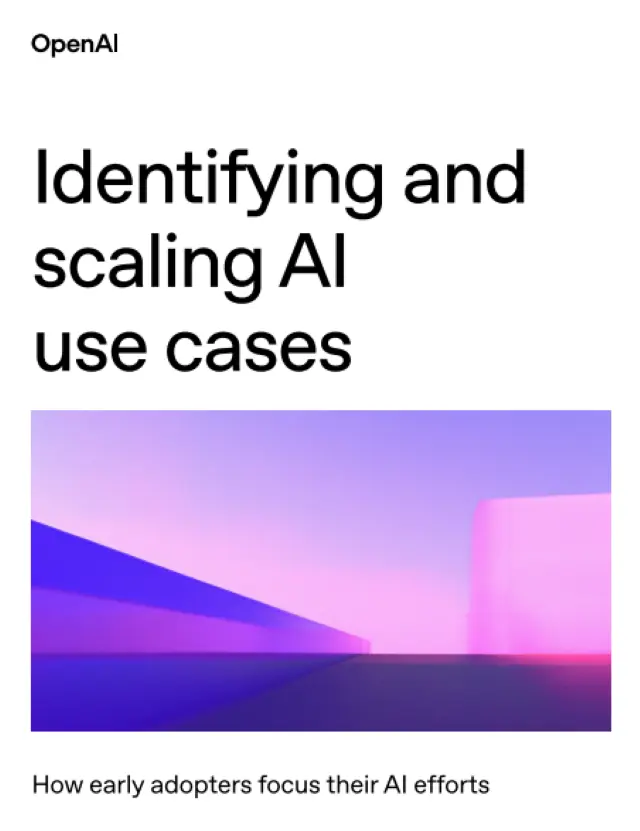
Identifying and Scaling AI Use Cases
From the “Identifying and Scaling AI Use Cases” guide, three things stood out:
- AI should be led and encouraged by leadership.
If leadership doesn’t model usage and back the investment, adoption stalls. It’s that simple. - Complex use cases often slow you down.
Yes, it’s tempting to build the big impressive prototype. But the fastest way to value is often letting employees spot and solve their own problems—starting small and scaling what works. - Adoption accelerators matter.
Hackathons, use case workshops, and peer-led learning aren’t fringe tactics. They’re key enablers. They help surface ideas, build momentum, and show people what’s possible.
They also talk about focusing on three types of work: repetitive tasks, skill bottlenecks, and ambiguous workflows. It’s the last one that always gets me. When people say, “Oh, we couldn’t give that to AI - everyone would do it differently,” I’d argue that’s exactly where AI shines. It can bring consistency to tasks where human variance is high. Take customer complaint emails: AI won’t write them all the same, but it can help set tone and language so they're all clear, calm and on-brand. That’s a win.
AI isn’t just a speed tool. It’s a consistency tool. It can bring structure to messy processes, standardise tone and language, and help teams start from a shared foundation—even if the final output still needs human judgment. That’s not a limitation. That’s a strength.
And in my own conversations with teams across industries, I’ve seen the same pattern again and again: the biggest barrier to AI adoption isn’t fear or lack of tools—it’s misjudging where the real opportunities are.
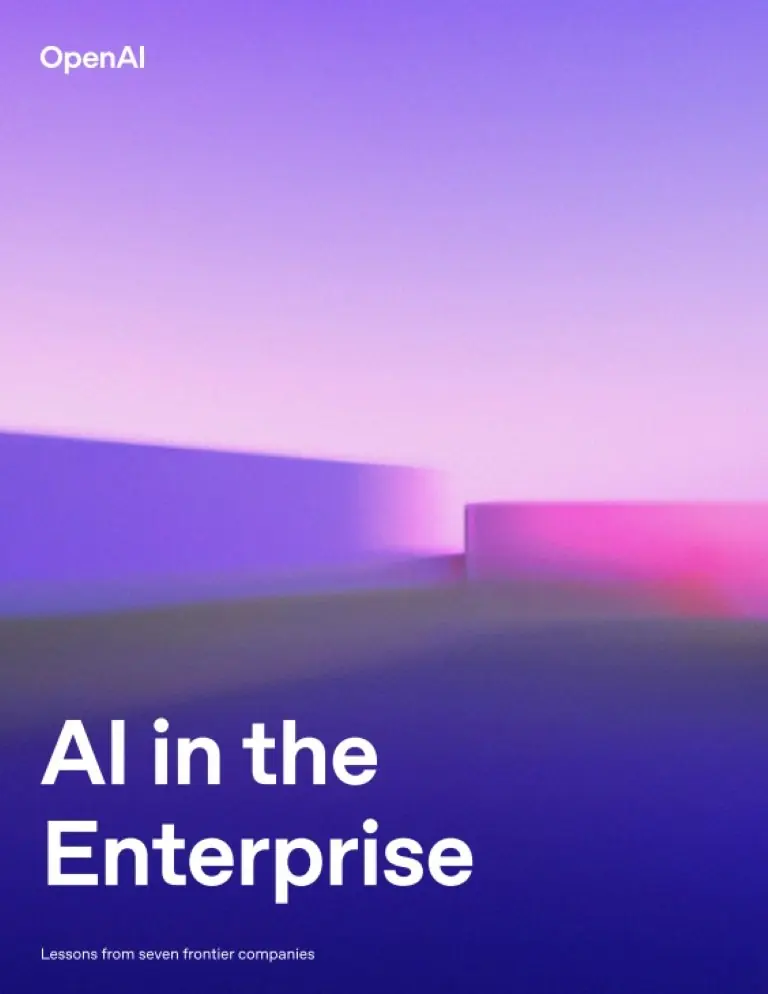
AI in the Enterprise
Then there’s the “AI in the Enterprise” guide, which shares lessons from companies like Klarna, BBVA and Mercado Libre. My favourite bit? Lesson #5: Get AI in the hands of experts. It’s the people closest to the work who know what’s slowing things down, and how AI might help. As they say:
“The people closest to a process are best-placed to improve it with AI.”
I've seen this in action. When teams get the right tools and trust, they find efficiencies no roadmap could predict. They spot the hidden friction points. They know where the real value is.
Tie that in with two other lessons - Set bold automation goals and Start now, invest early - and you’ve got a powerful message.
When I was at Google, I learned about applying 10X thinking. The idea wasn’t to be 10% better - it was to ask how we could do 10 times more this year. It was challenging, sometimes stressful. But it led to a strange realisation: the effort to do 10X wasn’t always 10X more work. Sometimes, it was about changing how you think. New questions unlocked new answers.You just needed a different lens.
AI is no different. Start where the knowledge is. Scale with ambition. And don’t wait for perfect clarity.
Both guides are worth a read if you’re figuring out how to make AI work in practice.